There are moments in tourism that go beyond travel moments where people, place, and purpose come together in a way that leaves a lasting impression.
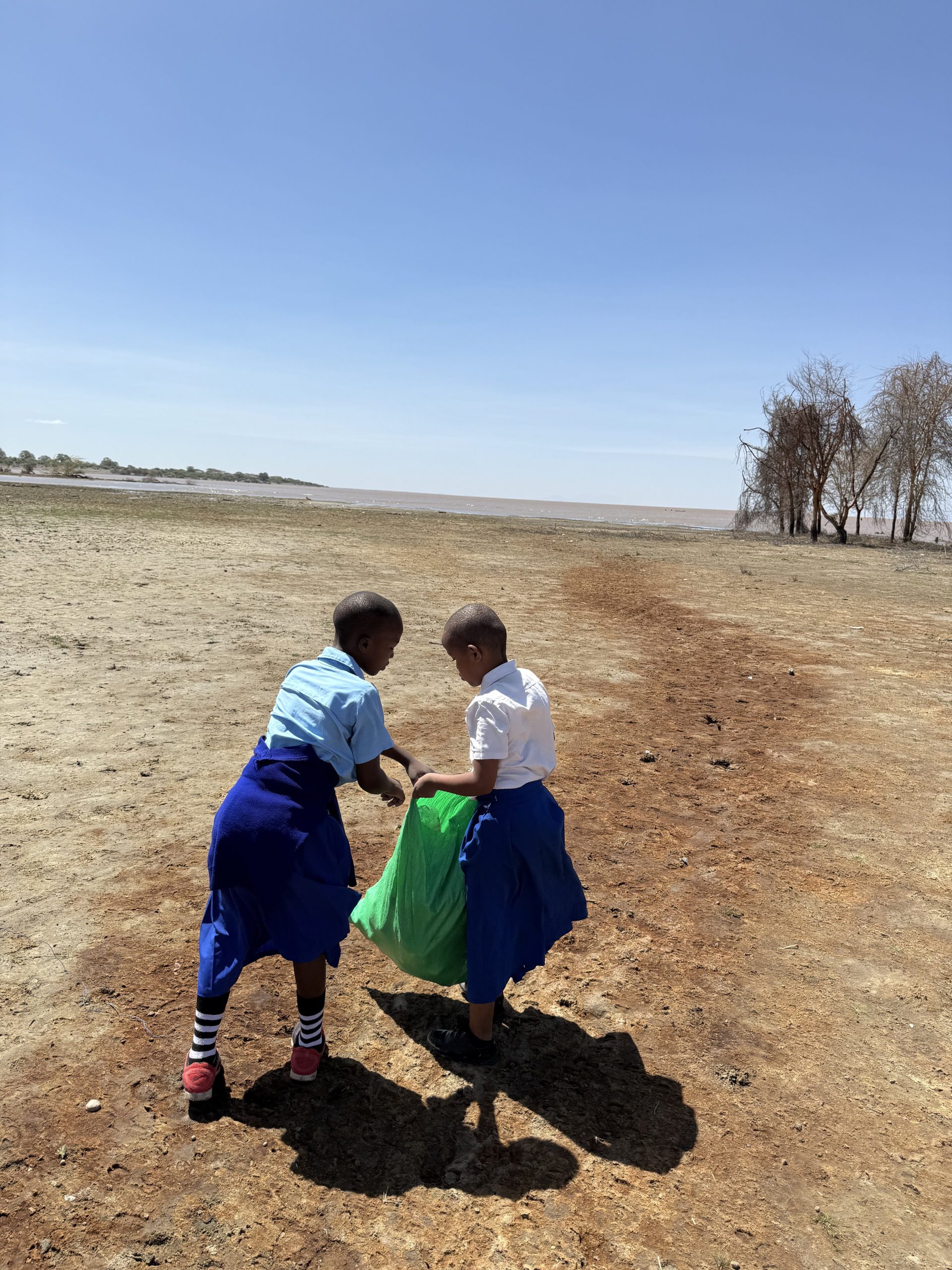
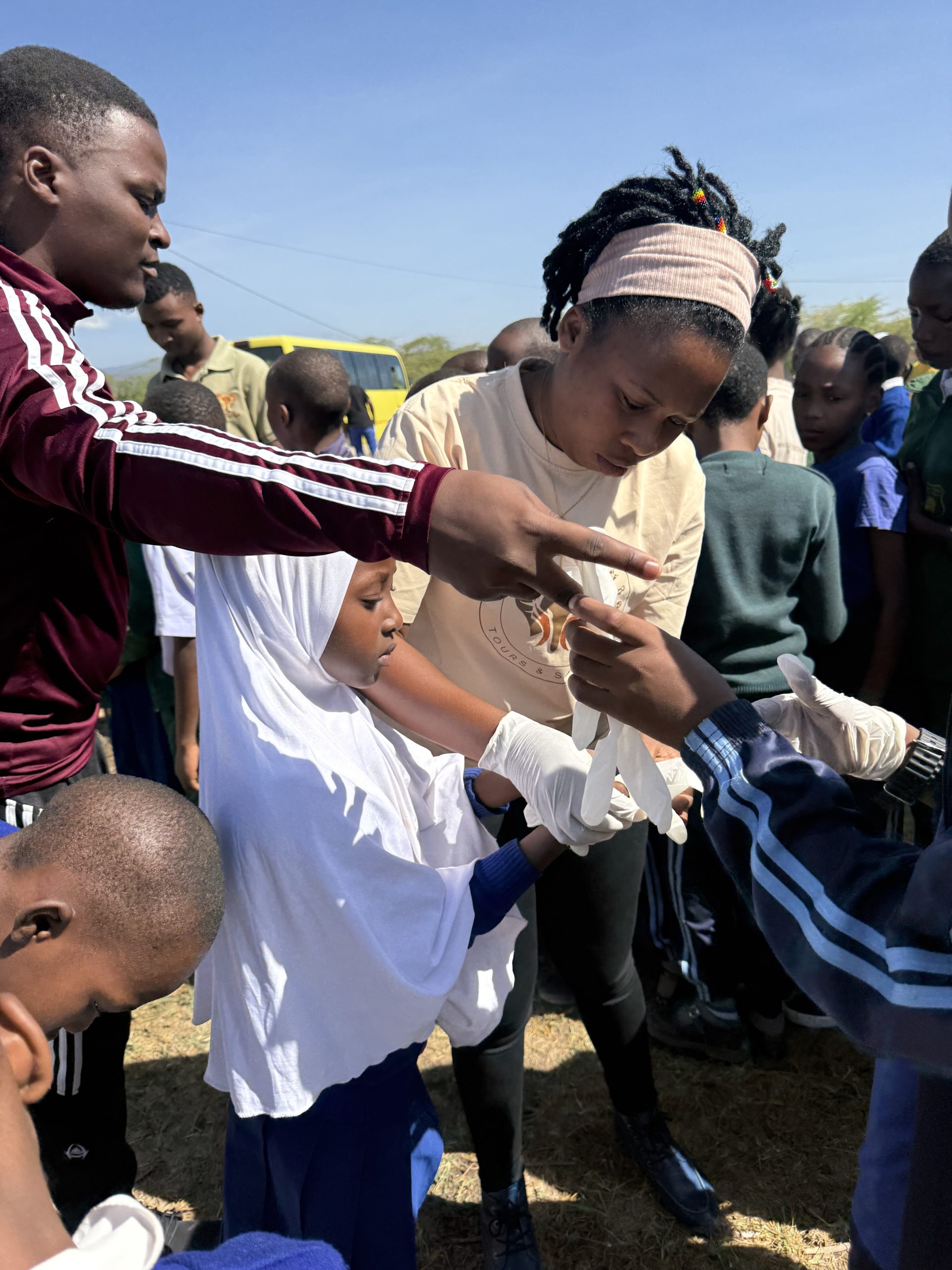
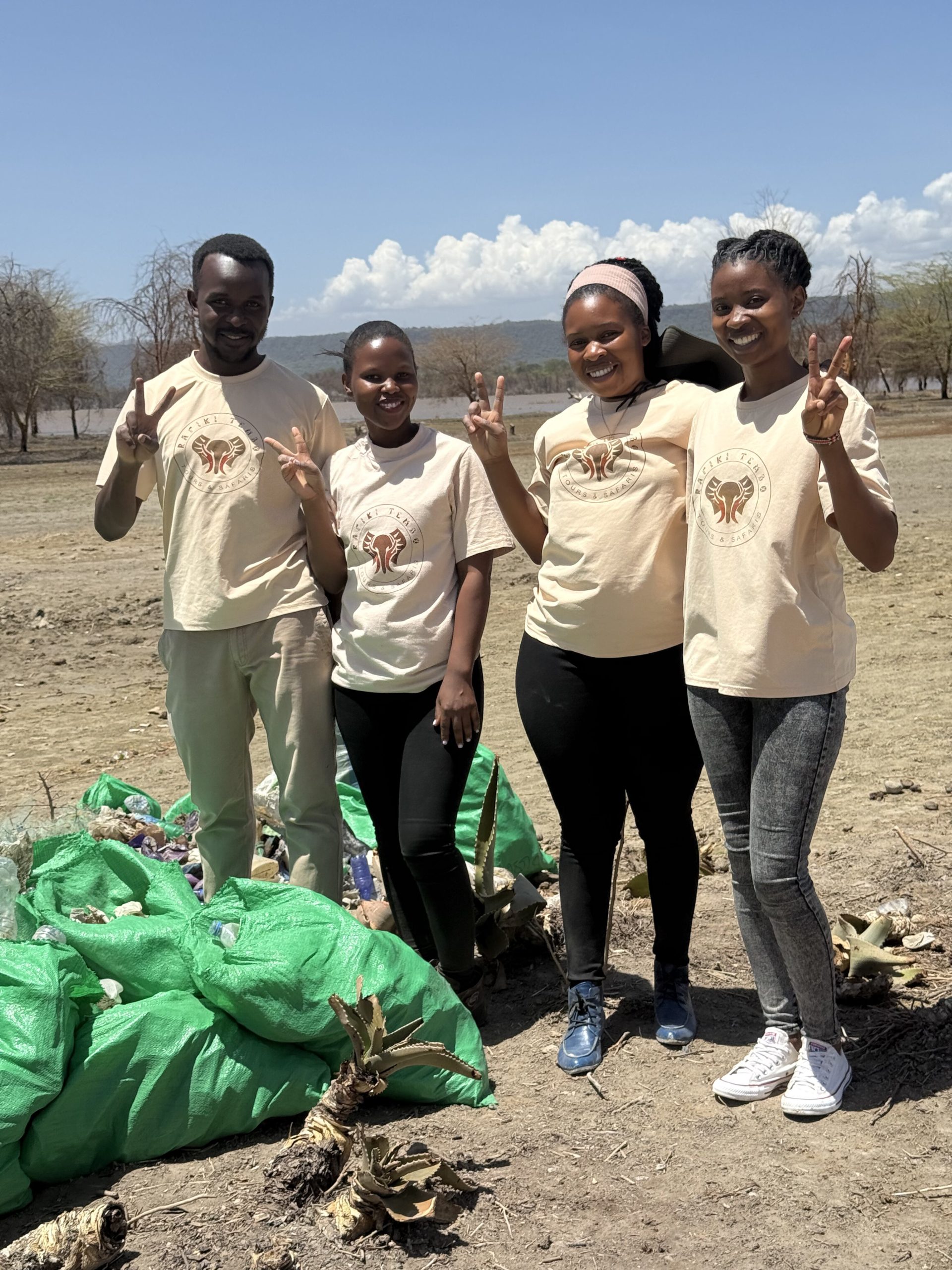
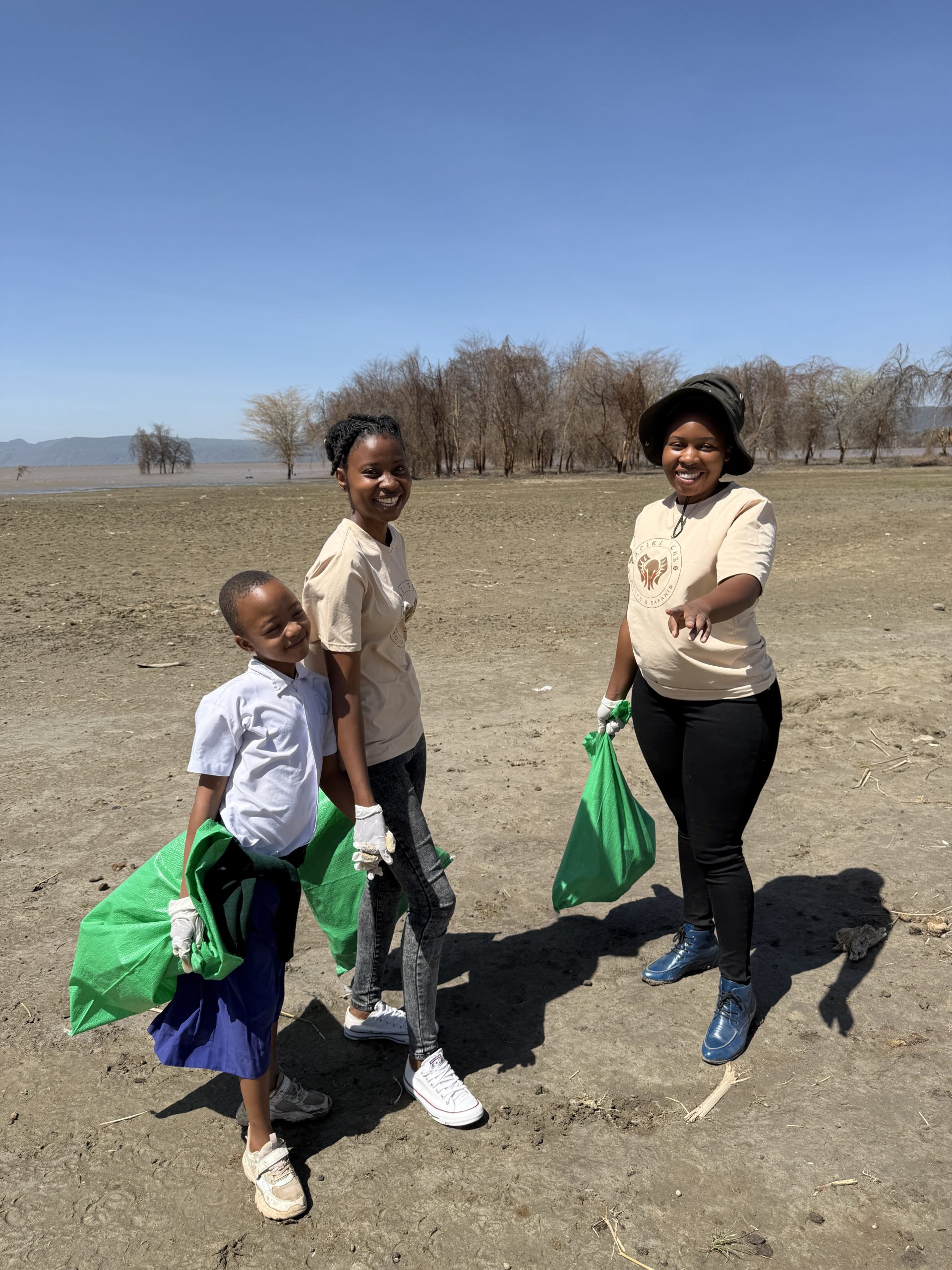
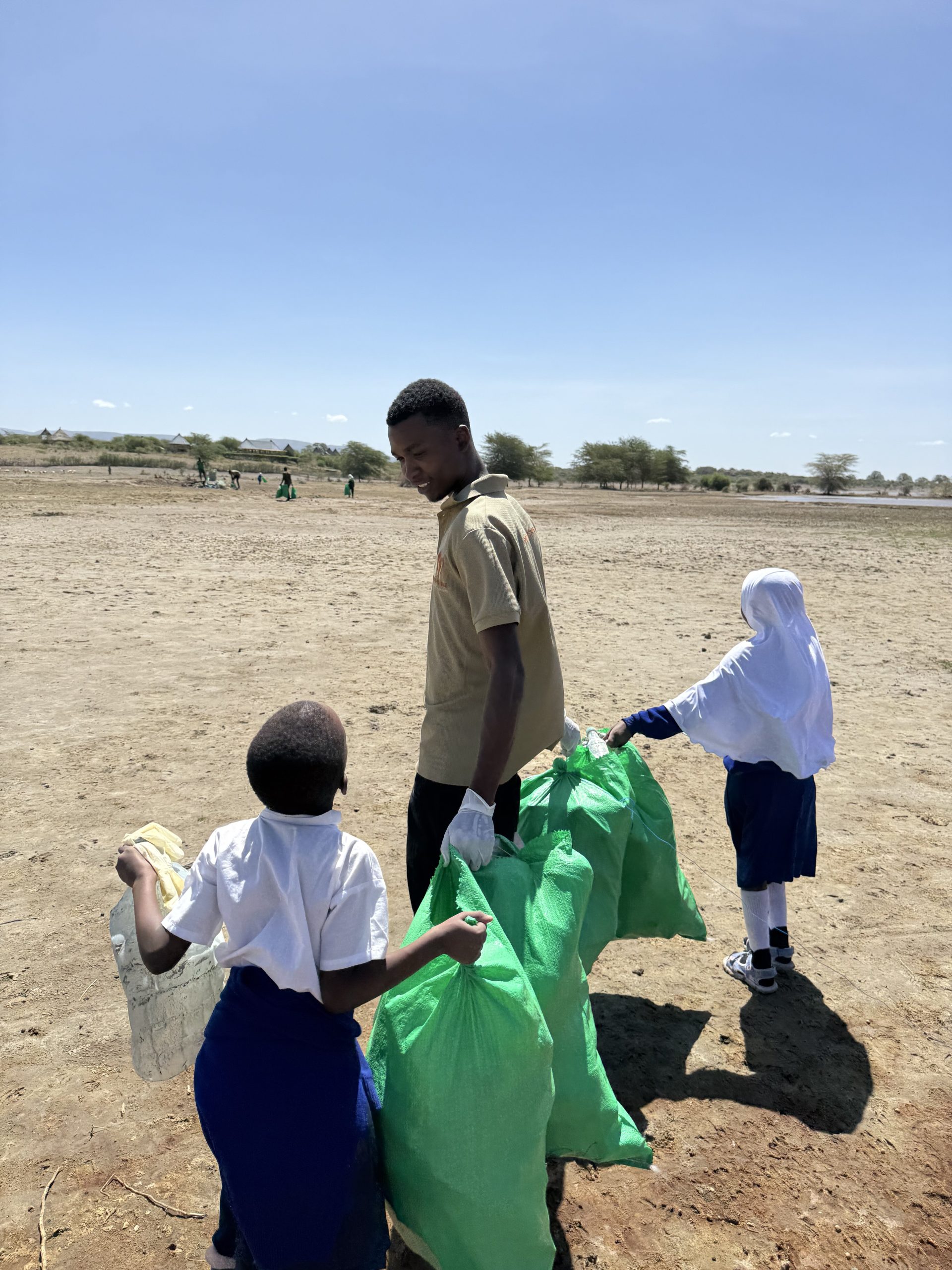
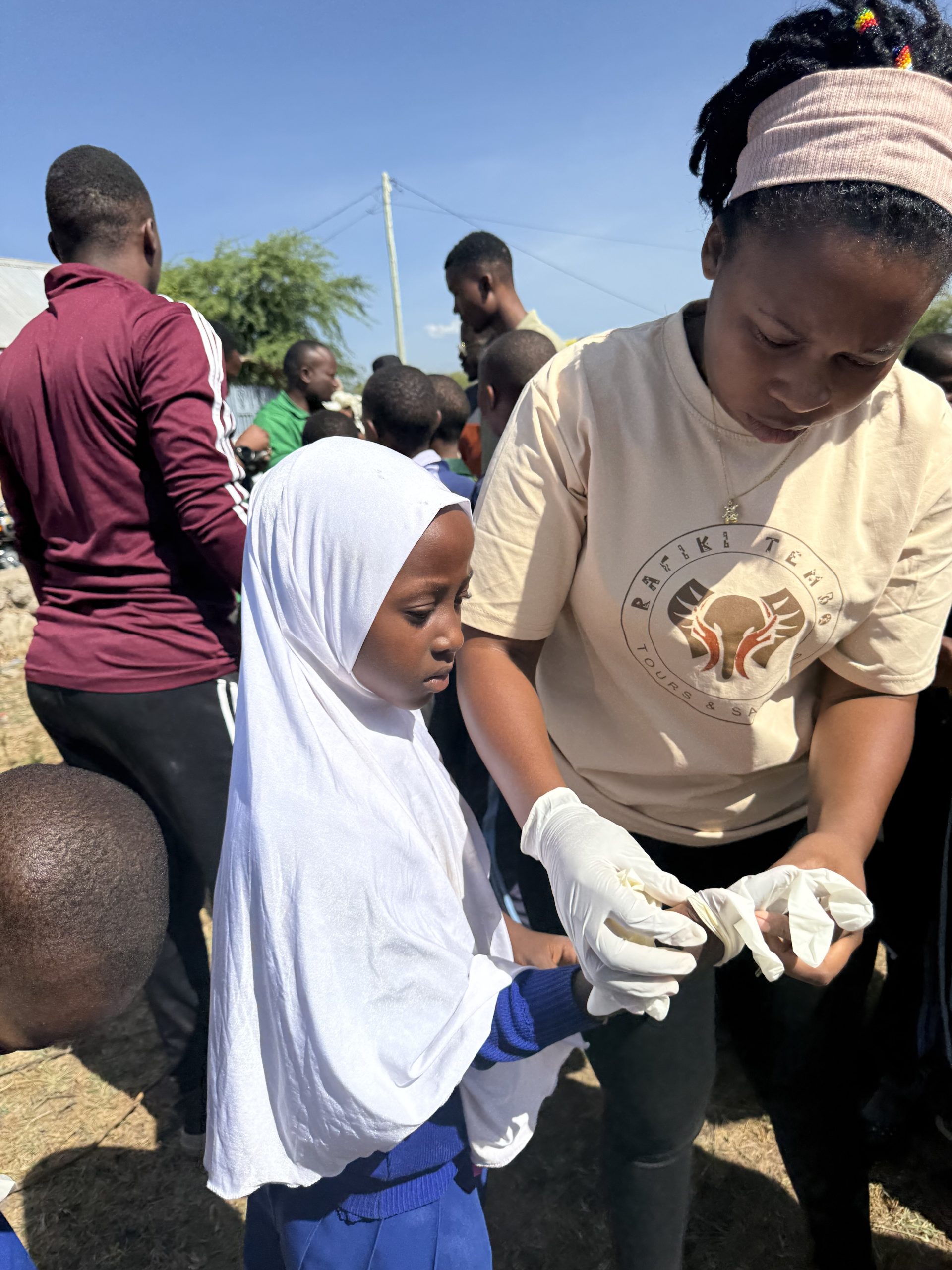
Along the shores of Lake Manyara, we had the opportunity to take part in a local clean-up initiative alongside students from a nearby school. What began as a simple activity quickly became something more meaningful a shared effort to care for the environment that supports both community life and the safari experience.
For us at Rafiki Tembo, this was not just an event. It was a reminder that being part of this place comes with responsibility to protect it, to respect it, and to contribute to it in ways that go beyond guiding safaris.
What made this day even more meaningful was the collaboration behind it. The clean-up was part of a joint initiative involving Lake Manyara National Park, SASA Local School in Mto wa Mbu, and Swahili Cultural Trails bringing together conservation, education, and community in one shared effort.
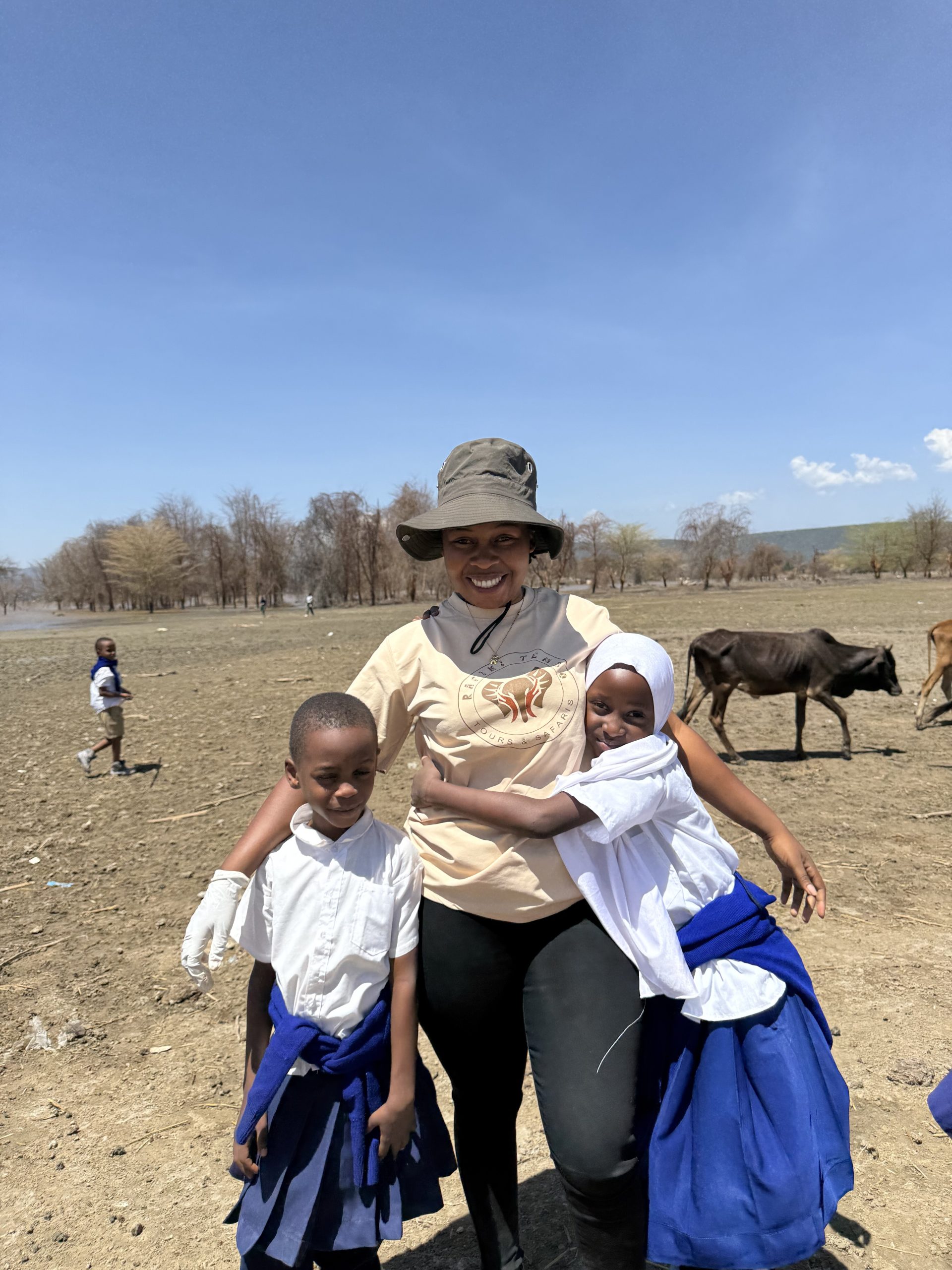
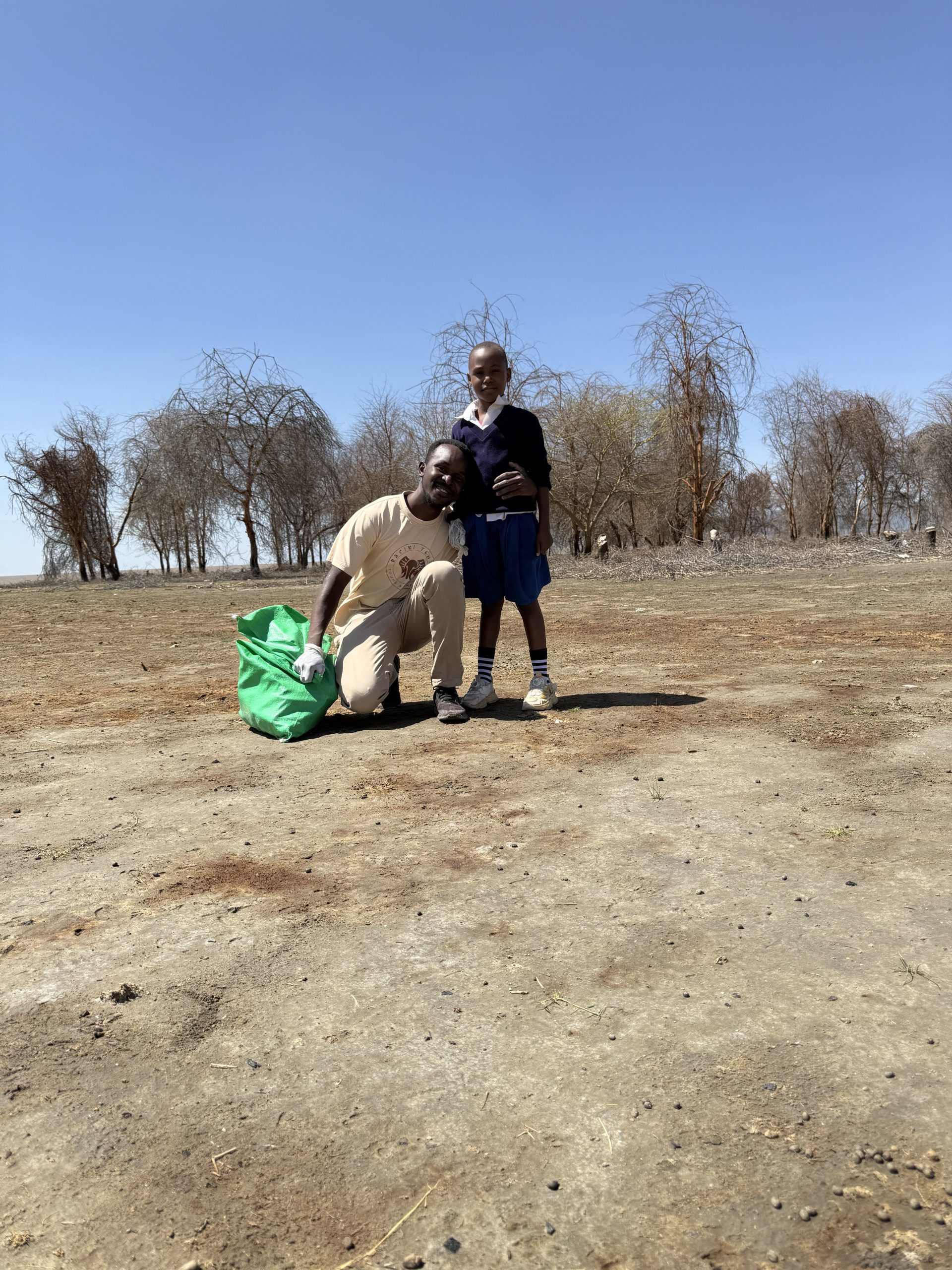
As Rafiki Tembo, we were proud to take part alongside the students. Walking together along the lakeshore, collecting waste, and engaging in conversations about the environment, it became clear that this was more than just a clean-up activity. It was an opportunity to connect between generations, between tourism and community, and between people and the land itself.
The energy from the students stood out the most. Their enthusiasm, curiosity, and sense of responsibility toward their environment were inspiring. For many of them, this is not just a place they visit it is home. And through initiatives like this, that connection is strengthened even further.
Working alongside partners like Lake Manyara National Park and Swahili Cultural Trails also highlights the importance of collaboration in conservation. Protecting these landscapes is not the responsibility of one group alone — it requires shared effort, awareness, and continued action.
For us, being present in moments like this reinforces what it truly means to be part of the tourism industry here in Tanzania. It is not only about guiding safaris, but about contributing in ways that support both the environment and the community that make these experiences possible.
What may seem like a small action collecting waste along a lakeshore carries a much deeper impact over time.
Lake Manyara is not only a protected ecosystem, but also a vital part of the surrounding community and the safari experience itself. Keeping it clean helps protect wildlife habitats, preserve natural beauty, and ensure that future generations can continue to benefit from it.
Initiatives like this also play an important role in education. By involving students directly, it builds awareness and responsibility from a young age turning conservation into something active, not just something talked about.
At the same time, it strengthens the connection between tourism and local communities. When visitors, organizations, and residents work together, it creates a shared sense of ownership over the environment.
As a local safari company based in Mto wa Mbu, being part of initiatives like this is not something separate from what we do it is part of who we are.
Our work allows us to operate within these landscapes every day, and with that comes a responsibility to contribute in ways that go beyond guiding travelers. Taking part in the Lake Manyara clean-up was a small but meaningful way to give back to the environment and community that support our work.
Standing alongside the students, local partners, and conservation teams, it reinforced something important that tourism works best when it is connected to the people and places it depends on.
For us, it is not about large statements or one-time actions, but about being consistently present, involved, and mindful of the impact we have as a local company.
Experiences like this are a reflection of what sustainable tourism looks like in practice not just an idea, but something lived and shared on the ground.
For travelers, a safari is often about wildlife and landscapes. But behind every journey, there is a deeper connection to the places visited the communities, the people, and the environment that make these experiences possible.
Being part of initiatives like the Lake Manyara clean-up is one of the ways we ensure that tourism contributes positively. It allows us to support local efforts, engage with the community, and maintain the natural spaces that travelers come to experience.
For those visiting Tanzania, this means that your safari is not only a journey through nature it is also a contribution to preserving it.
Explore how Rafiki Tembo supports community, conservation, local employment, and responsible tourism through real stories from the ground.