
Local Company, Local People: Why It Matters Who You Travel With in Tanzania
Planning a safari is not just about where you go it’s also about who you travel with.
When people imagine a safari in Tanzania, they often think of wildlife, landscapes, and iconic destinations like the Serengeti or Ngorongoro. But behind every great safari experience, there is something less visible the people who make it possible.
Choosing a local safari company is not only about logistics or pricing. It shapes how you experience the country, how deeply you connect with it, and how your journey contributes to the place you are visiting.
A Safari Led by People Who Call This Place Home
One of the biggest differences when traveling with a local company is the depth of knowledge that comes naturally.
Local guides are not simply trained professionals they are people who have grown up around these landscapes. They understand animal behavior, seasonal changes, and cultural context in ways that go beyond textbooks or short-term training.
This knowledge shapes the entire experience:
- Knowing where wildlife is likely to move
- Understanding subtle changes in the environment
- Sharing stories that bring the landscape to life
👉 It transforms a safari from observation into understanding.
Why This Matters for Responsible Tourism
Sustainable travel is often discussed, but its real impact depends on decisions made at a practical level.
Choosing a local safari company helps:
- Reduce economic leakage
- Strengthen community participation
- Support responsible tourism practices
It creates a direct link between travel and local impact ensuring that tourism benefits the people and places it depends on.
Why Local Employment Matters
Behind every safari vehicle, there is a network of people working together — guides, drivers, lodge staff, cooks, and support teams.
By choosing a local company, your safari directly supports:
- Employment within the community
- Local families and livelihoods
- Skills development and long-term opportunities
This creates a cycle where tourism contributes to the people who live closest to these environments.
👉 It keeps the benefits of travel within the destination
Our Approach as Rafiki Tembo
As a company based in Mto wa Mbu, our connection to this region is not just professional it is personal.
Our team is made up of people from the local community, bringing knowledge, experience, and a genuine sense of pride in what they do. Every safari we guide reflects that connection from the way we approach wildlife viewing to how we engage with guests and local partners.
For us, being a local company means more than location.
It means responsibility, authenticity, and a commitment to doing things the right way.
“A meaningful safari is not just about where you go, but who you share it with.”
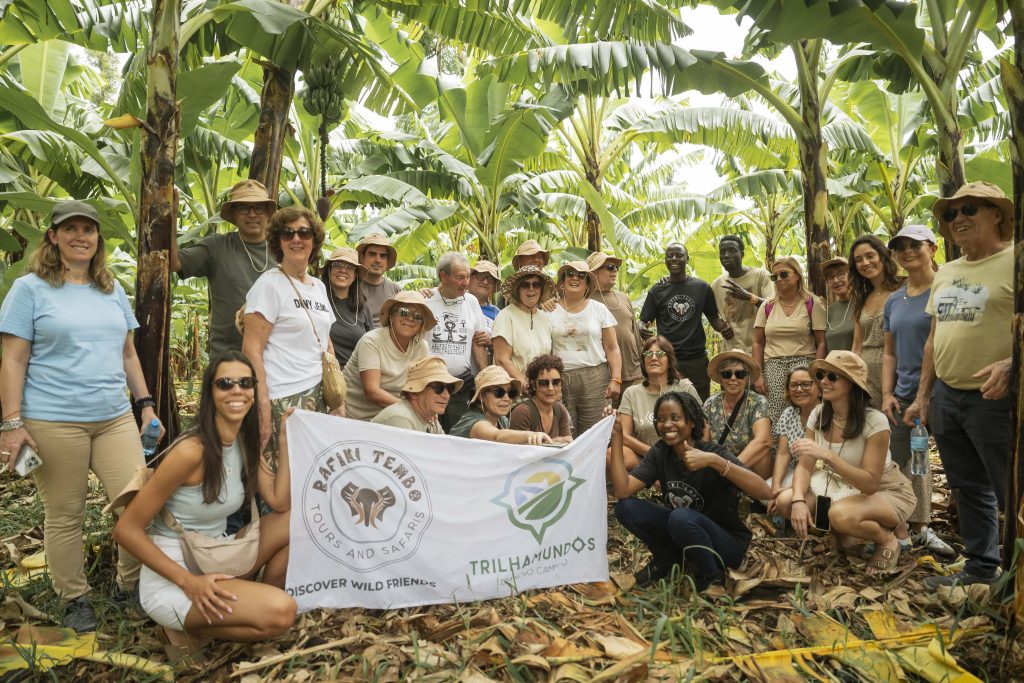
When you choose to travel with a local company, your journey becomes more than a visit.
You are:
- Experiencing the destination through local knowledge
- Supporting real people and communities
- Contributing to the long-term sustainability of tourism
👉 It is a different way of traveling one that leaves a positive impact.
Frequently Asked Questions
Why choose a local safari company in Tanzania?
Are local guides better for safari?
Does booking local support communities?
Is a local safari company reliable?
What makes a safari more authentic?
Giving Back in Tanzania
Explore how Rafiki Tembo supports community, conservation, local employment, and responsible tourism through real stories from the ground.