Tanzania Visa Rules for American Travelers
For Tanzania, US citizens can typically obtain a tourist visa either:
Most safari travelers choose the visa-on-arrival option because it is straightforward and commonly processed at major airports including:
Tanzania Visa Cost for US Citizens
American travelers are commonly issued a multiple-entry visa valid for 12 months.
However, visa rules can occasionally change, so we always advise confirming current rates and regulations before travel.
Arrival Advice From Our Operations Team
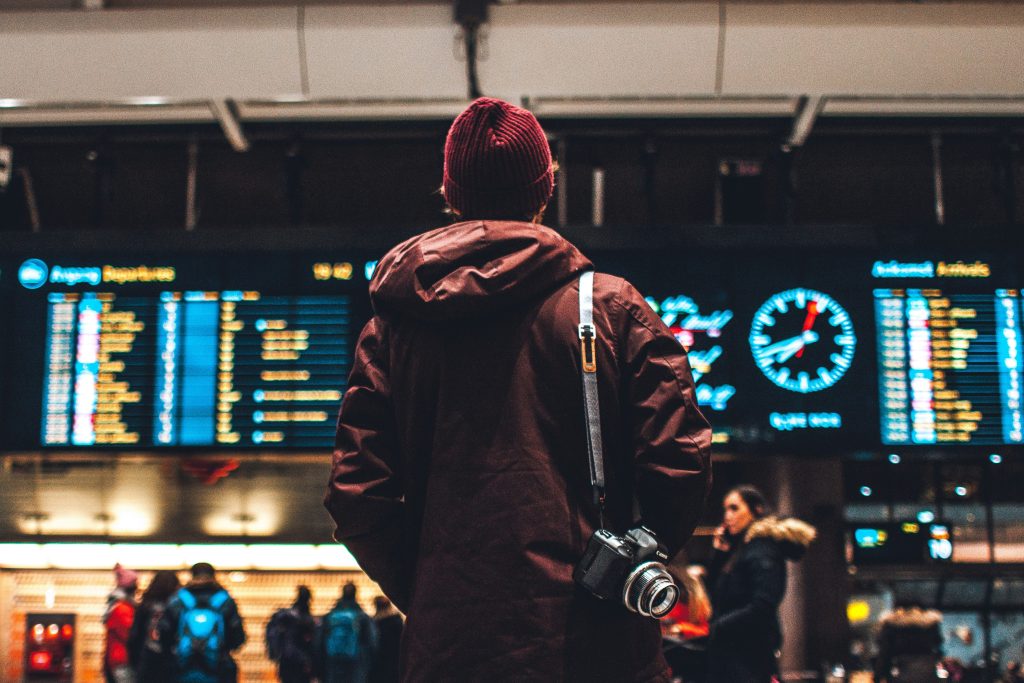
One thing travelers often underestimate is arrival processing time.
After long international flights, immigration queues can sometimes take over one hour, especially during peak safari seasons.
This is one reason we usually recommend overnight stays in Nairobi or Arusha when arrivals are later in the day instead of rushing directly into safari parks.
A well-paced itinerary always creates a better safari experience.
Yellow Fever Certificate Rules Between Kenya & Tanzania
This is probably the most misunderstood travel requirement in East Africa.
Do You Need a Yellow Fever Certificate?
If you are traveling between Kenya and Tanzania, authorities may request proof of yellow fever vaccination during border crossings or airport checks.
This is especially important for travelers:
Crossing borders overland
Flying between East African countries
Visiting multiple safari destinations within the region
Even when inspections appear inconsistent, we strongly recommend carrying the certificate.
Why This Matters
We occasionally meet travelers who read online forums saying:
“You probably won’t be asked.”
While that may sometimes happen, border procedures can change at any time.
As local operators handling real cross-border safaris regularly, our advice is simple:
Carry the certificate and avoid unnecessary complications.
Passport Rules You Should Know Before Traveling
Your passport must:
Damaged passports can also create problems during immigration checks.
Before departure:
We also recommend saving:
Passport scans
Flight confirmations
Insurance details
Safari itineraries
Store them both digitally and physically.
Safari Flight Baggage Restrictions in East Africa
This is one of the biggest surprises for first-time safari travelers.
Many domestic safari flights within Tanzania and Kenya use small bush aircraft connecting destinations such as:
Serengeti
Maasai Mara
Zanzibar
Tarangire
Ruaha
These aircraft have strict luggage limits.
Common Safari Flight Rules
Most domestic safari airlines allow:
Why Hard Suitcases Are a Problem
Small safari aircraft have compact storage compartments.
Large hard-shell suitcases may simply not fit safely inside the aircraft.
This is why safari operators strongly recommend:
✅ Soft duffel bags
❌ Large rigid suitcases
Real Safari Advice
Travelers often assume international airline baggage rules also apply domestically.
They do not.
If you are combining safari flights with international travel, packing strategically before departure makes your journey significantly easier.
Health & Vaccination Recommendations
Apart from yellow fever requirements, travelers should also consult their doctor regarding:
Malaria Prevention
Many safari regions are considered malaria-risk zones.
While some travelers choose not to take preventive medication, we always advise discussing options with a medical professional before departure.
Essential Safari Health Tips
Bring:
Safari drives can sometimes involve long distances and uneven terrain, especially during rainy seasons.
Travel Insurance for Safari Travelers
Travel insurance is highly recommended for any East African safari.
Your policy should ideally cover:
Medical emergencies
Trip delays
Lost baggage
Flight interruptions
Emergency evacuation
Why Insurance Matters on Safari
Safaris involve:
Even well-planned itineraries occasionally experience delays due to weather or operational factors.
Good insurance provides peace of mind throughout the journey.
Currency & Payment Tips for East Africa
US Dollars Are Widely Accepted
In many safari areas, USD is commonly accepted for:
Tips
Souvenirs
Small personal purchases
However, there is one important detail many travelers miss:
Carry New USD Notes
East African businesses often reject:
This is a very common issue.
We strongly advise bringing:
✅ Clean USD notes
✅ Bills printed from 2009 onwards
Card Payments
Cards are accepted in many lodges and hotels, but:
Always carry some backup cash during safari travel.
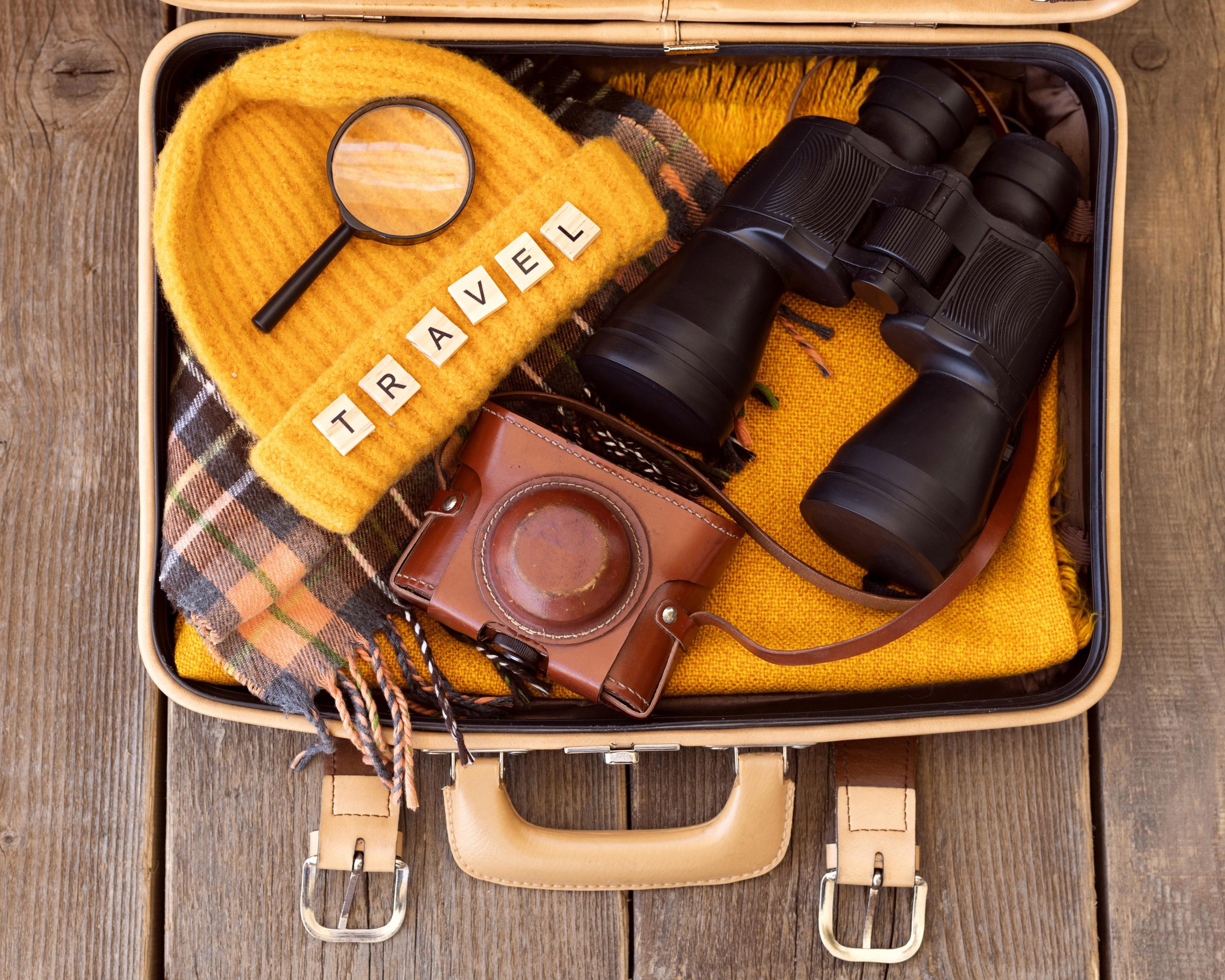
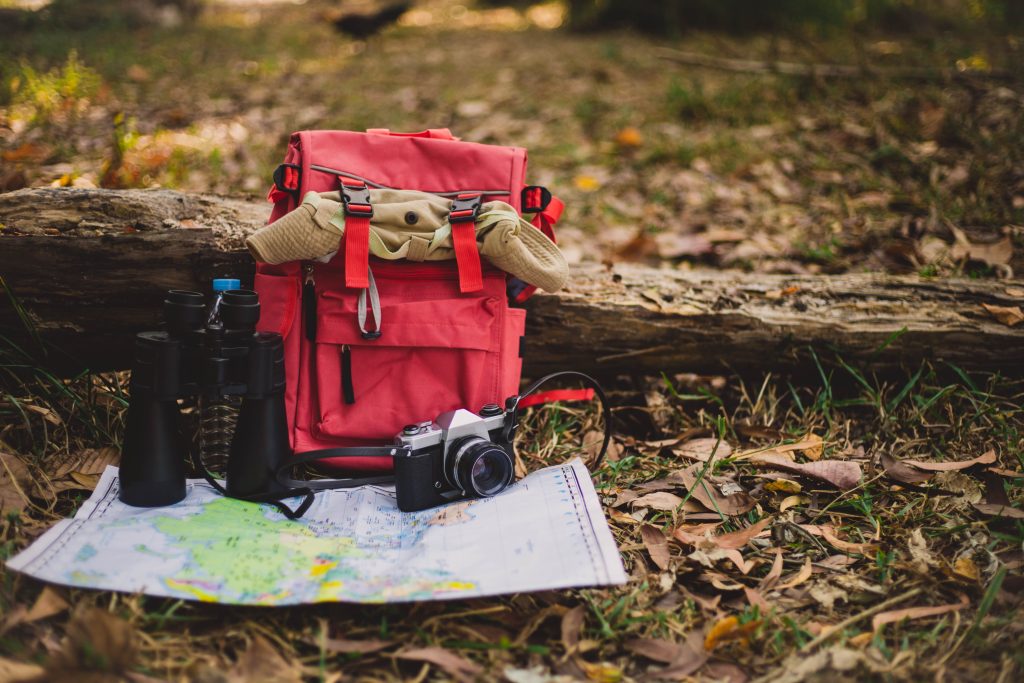
What to Pack for a Kenya & Tanzania Safari
Packing correctly can dramatically improve your safari experience.
Recommended Safari Clothing
Bring:
Early morning game drives can be surprisingly cold, especially in Ngorongoro Highlands and Serengeti mornings.
Avoid Bright Colors
Extremely bright colors may:
Earthy safari tones work best.
Common Mistakes Travelers Make Before Arrival
Over the years, we have noticed several common preparation mistakes among first-time safari travelers.
1. Arriving Too Late for Immediate Safari Departure
Many international flights arrive in the afternoon.
After immigration, baggage collection, and airport clearance, travelers may exit the airport much later than expected.
Starting long safari drives immediately after arrival can become exhausting.
A relaxed overnight stay often creates a far better experience.
2. Bringing Large Hard Suitcases
This remains one of the most common safari flight problems.
Soft duffel bags are always safer for East African bush flights.
3. Forgetting Yellow Fever Documentation
Even if checks are inconsistent, always carry your certificate.
Border procedures can change without notice.
4. Underestimating Safari Distances
East Africa is larger than many travelers expect.
Driving times between parks can sometimes be long, especially on remote safari routes.
A realistic itinerary is always better than trying to “see everything” too quickly