
Ndutu Calving Season 2027: Where to Go, What to Expect & How to Plan
Ndutu calving season 2027 is one of Tanzania’s most intimate wildlife experiences. From January to March, the southern Serengeti and neighbouring Ndutu plains become a nursery for the Great Migration, as wildebeest give birth and predators gather close by.
The right plan is not simply to arrive in the Serengeti. It is about choosing the right dates, allowing enough time in the Ndutu area and building the journey around the movement of the animals. Our Tanzania Safari Guide and month-by-month guide can help you compare the wider journey before arranging your route.
In this guide, we explain where to go, what you may see, how long to stay, which accommodation styles work best and how to plan a private Ndutu safari with a local team. You can also review our Tanzania safari cost guide when preparing your budget.
When Is the Ndutu Calving Season in 2027?
The Ndutu calving season does not arrive on one fixed date. It usually begins around December and reaches its strongest period between January and March, when the short-grass plains of the southern Serengeti and neighbouring Ndutu area become a natural nursery for the Great Migration.
During this period, wildebeest mothers give birth across the open plains and newborn calves begin their first days of life surrounded by a moving herd. Lions, cheetahs, hyenas and other predators are also drawn to the area, creating one of the most intense wildlife experiences in Tanzania.
The peak calving window is generally January to March, but rainfall, pasture and herd movement can influence the exact timing each year.
For the best experience, travellers should avoid treating Ndutu as a quick stop between destinations. Allowing three nights or more gives your guide time to follow the movement of the herds, choose quieter routes and respond to changing wildlife activity. Our Great Migration safari guide explains how this season can be connected with the wider Serengeti and Ngorongoro journey.
Where Is Ndutu and Why Is It Important?
Ndutu lies on the southern edge of the Serengeti ecosystem, close to the open plains connected with the Ngorongoro Conservation Area. During the migration’s southern movement, this landscape becomes an important seasonal meeting place for wildebeest, zebra, gazelle and the predators that follow them.
The area is known for its open short-grass plains, wide horizons and seasonal lakes. These conditions provide fresh grazing for the herds and create a setting where wildlife activity can unfold across the landscape rather than around a single permanent water source.
Staying close to Ndutu gives your safari more time for early starts, patient game viewing and following the movement of the herds.
Ndutu is not simply another stop on a northern Tanzania itinerary. Its value comes from timing, location and the freedom to spend several days responding to what the landscape is showing you. Wildlife sightings remain guided by nature, weather and seasonal movement, so the strongest plans leave room for flexibility.
You can connect Ndutu with the wider Tanzania safari circuit , including the Serengeti and Ngorongoro Crater. For a complete route, explore our tailor-made safari packages or read our Tanzania safari guide .
What Wildlife Can You Expect During Calving Season?
The great attraction of Ndutu is the newborn wildebeest, but the experience is much larger than one species. During the calving season, wildebeest herds share the plains with zebra, gazelles and other grazing animals, creating a constantly changing movement across the landscape.
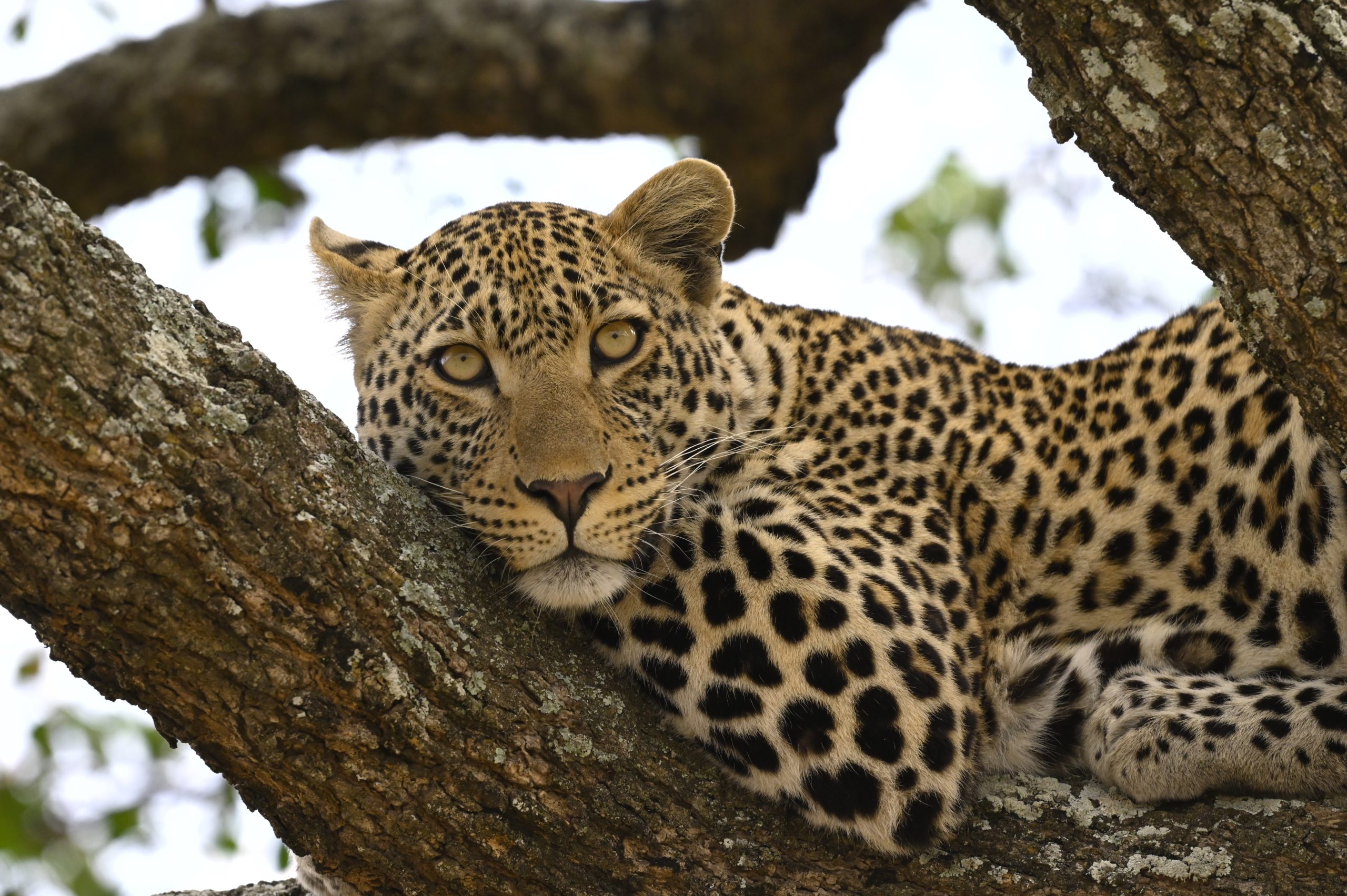
Where there are young animals, predators are never far away. Lions, cheetahs, hyenas and jackals may be seen moving through the plains, resting near the herds or testing the edges of a group. These encounters are never guaranteed, but the concentration of wildlife can create excellent opportunities for patient observation and photography.
The most rewarding sightings often come from giving the guide time to read the landscape rather than rushing from one sighting to another.
A typical full day in Ndutu may begin with an early-morning game drive, continue through herd tracking and calving-area exploration, and include time around seasonal lakes such as Lake Ndutu or Lake Masek. After a picnic lunch, the afternoon can be shaped around fresh wildlife information, photography and the softer light of the evening.
The route should remain flexible. Rainfall, grazing conditions and wildlife movement can change the experience from one day to the next. This is why a private Great Migration safari allows more room to follow the story of the plains.
How Many Days Do You Need for a Ndutu Safari?
There is no single perfect length for every traveller, but three nights in or near Ndutu is a strong starting point for a calving-season safari. It gives you time to settle into the landscape, enjoy more than one full game-drive day and allow your guide to respond to changing wildlife movement.
A shorter stay can still be worthwhile when your travel dates are limited, but it may leave less room for weather changes, long-distance herd movement or a quiet day when the animals are spread across the plains. A longer stay creates a slower experience with more time for tracking, photography and patient observation.
The best itinerary is not always the longest one. It is the one that gives the wildlife, the route and your travel style enough room to work together.
Many travellers combine Ndutu with the wider northern circuit, beginning around Arusha or Tarangire, continuing through the Serengeti and ending with the Ngorongoro Crater. Travellers arriving from Karatu or the Ngorongoro Highlands should also allow time for the journey into the Southern Serengeti rather than counting only the hours spent on a game drive.
For a complete route, explore our Tanzania safari packages or contact Rafiki Tembo to design a private journey around your dates, interests and budget.
Where Should You Stay During the Ndutu Season?
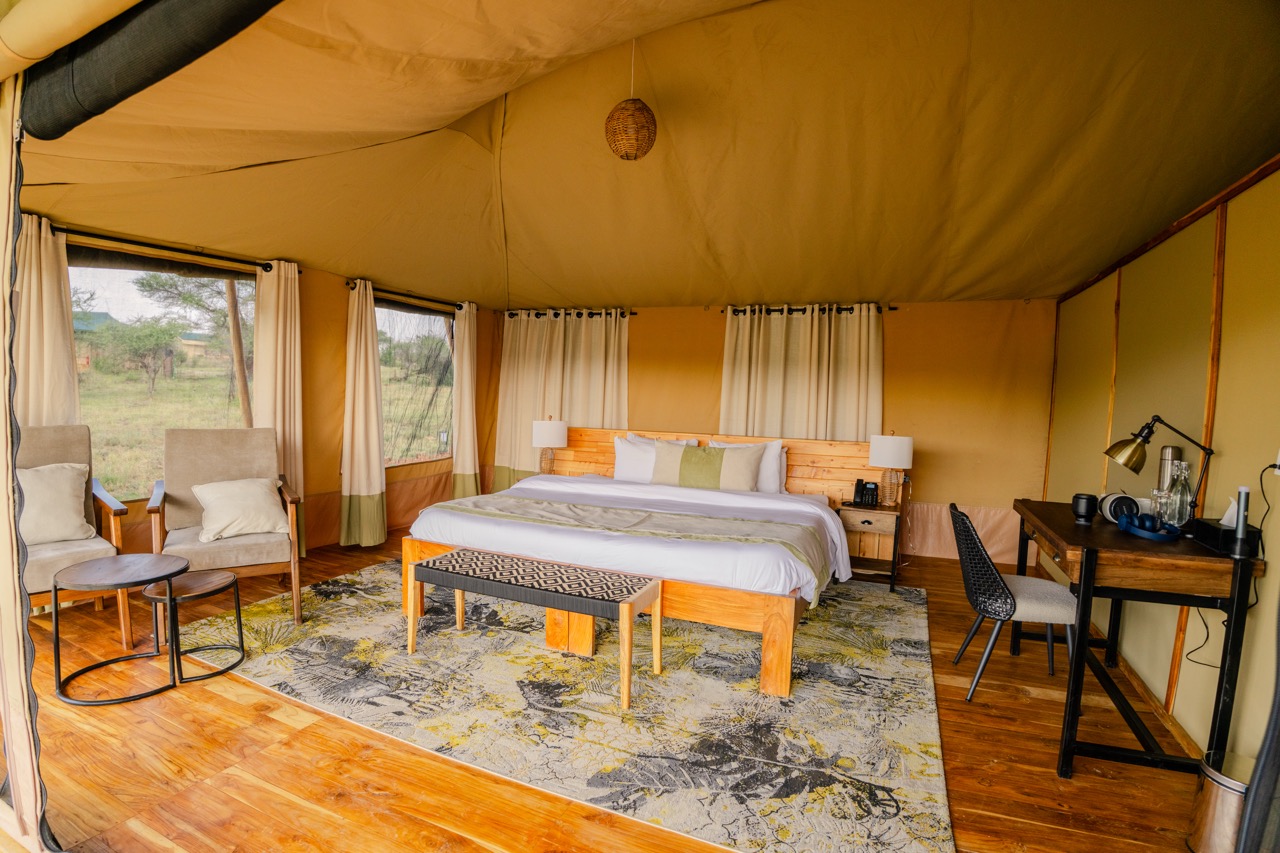
During the calving season, accommodation is part of the safari strategy. Staying close to Ndutu can give you more time on the plains, easier access to early-morning drives and greater flexibility when wildlife activity changes during the day.
Travellers can choose between seasonal tented camps in or near the Southern Serengeti, more permanent safari accommodation and lodges around the Ngorongoro Highlands or Karatu. The best choice depends on your budget, comfort preferences, route and the amount of time you want to spend inside the Ndutu area.
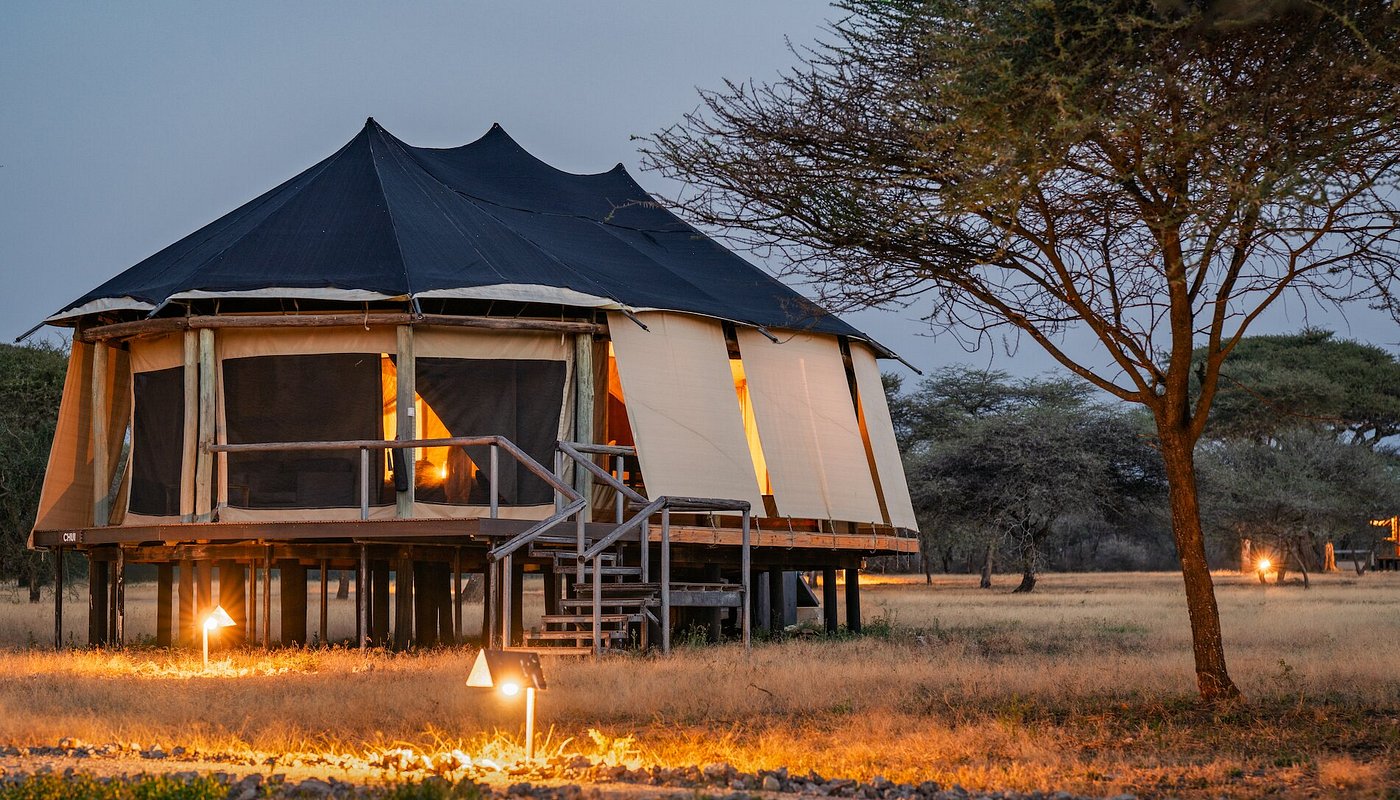
The right camp is not only where you sleep. It shapes how much time you have to experience the landscape.
For many travellers, the most balanced route includes three nights in or near Ndutu, followed by the Ngorongoro Highlands or Crater. Others prefer to add Tarangire before the migration experience or continue through the Central Serengeti afterwards.
Our 6-Day Ndutu Calving Season Migration Safari combines Tarangire, Ndutu and the Ngorongoro Highlands. The route can also be adjusted around your dates, accommodation style and preferred pace.
How Much Does a Ndutu Safari Cost?
The cost of a Ndutu safari depends on more than the number of days. Accommodation location, travel dates, vehicle style, guide arrangement, group size and the level of comfort you choose can all change the final quotation.
Calving season is a highly requested period, especially from January to March. For this reason, availability and seasonal accommodation rates should be checked early rather than relying on one general price found online.
A responsible quotation should show exactly what is included, what is excluded and which 2027 rates still require confirmation.
When comparing quotations, look beyond the headline price. Check whether the proposal includes accommodation, park and conservation fees, meals, game drives, a private vehicle, a professional guide, airport transfers and drinking water. Also confirm travel insurance, visa costs, tips, flights and optional activities.
Our Tanzania safari cost guide explains the main factors behind safari pricing. Because 2027 rates can change, Rafiki Tembo prepares each Ndutu proposal according to your dates, preferred accommodation and travel style.
Request a personalised Ndutu safari quotationBefore You Travel
A few practical answers to help you plan your Ndutu calving-season safari with greater confidence.
When is the Ndutu calving season in 2027?
The wider calving season usually runs from around December to March, with January to March commonly considered the main planning window. Exact wildlife movement depends on rainfall, pasture and seasonal conditions.
How many nights should I spend in Ndutu?
Three nights or more is a strong starting point for travellers who want meaningful time in the area. A longer stay gives more flexibility when herds, predators or weather conditions change.
Where is Ndutu located?
Ndutu lies in the Southern Serengeti ecosystem near the Ngorongoro Conservation Area. It is known for open short-grass plains, seasonal lakes and important wildlife movement during the calving months.
What wildlife can I see during the calving season?
You may see wildebeest and newborn calves, zebra, gazelles, lions, cheetahs, hyenas and other plains wildlife. Sightings are never guaranteed because nature, weather and animal movement determine each day’s experience.
Where should I stay during the Ndutu season?
Staying in or near the Southern Serengeti can reduce daily travel time and allow more flexibility for game drives. Karatu and the Ngorongoro Highlands offer additional accommodation choices but may require longer transfers to Ndutu.
How much does a Ndutu safari cost?
The cost depends on your travel dates, accommodation level, safari length, group size, private vehicle arrangement and route. For accurate 2027 pricing, Rafiki Tembo prepares a personalised quotation based on your exact requirements.
Can I combine Ndutu with Ngorongoro, Tarangire or Zanzibar?
Yes. Ndutu can be combined with Tarangire, the Serengeti and Ngorongoro Crater. A Zanzibar extension can also be added after the mainland safari, depending on your flight schedule and preferred length of stay.
How early should I book a 2027 Ndutu safari?
Early planning is recommended because camps close to Ndutu can become limited during the main calving months. Booking early also gives you more choice of accommodation, vehicle arrangements and travel dates.